Professional Development
Storytelling Professional Development for Teachers and Early Years Educators
Practical storytelling skills for educators and facilitators
Professional development for teachers and early years educators bring together storytelling techniques and an understanding of how young children learn. We explore voice, expression, movement, repetition and participation, alongside ways to use stories to support oral language, imagination and emotional development.
Stories can build language, spark imagination and invite children to participate.
Training is shaped around your team, with practical approaches you can take back into your classroom, early learning setting, library or community program.
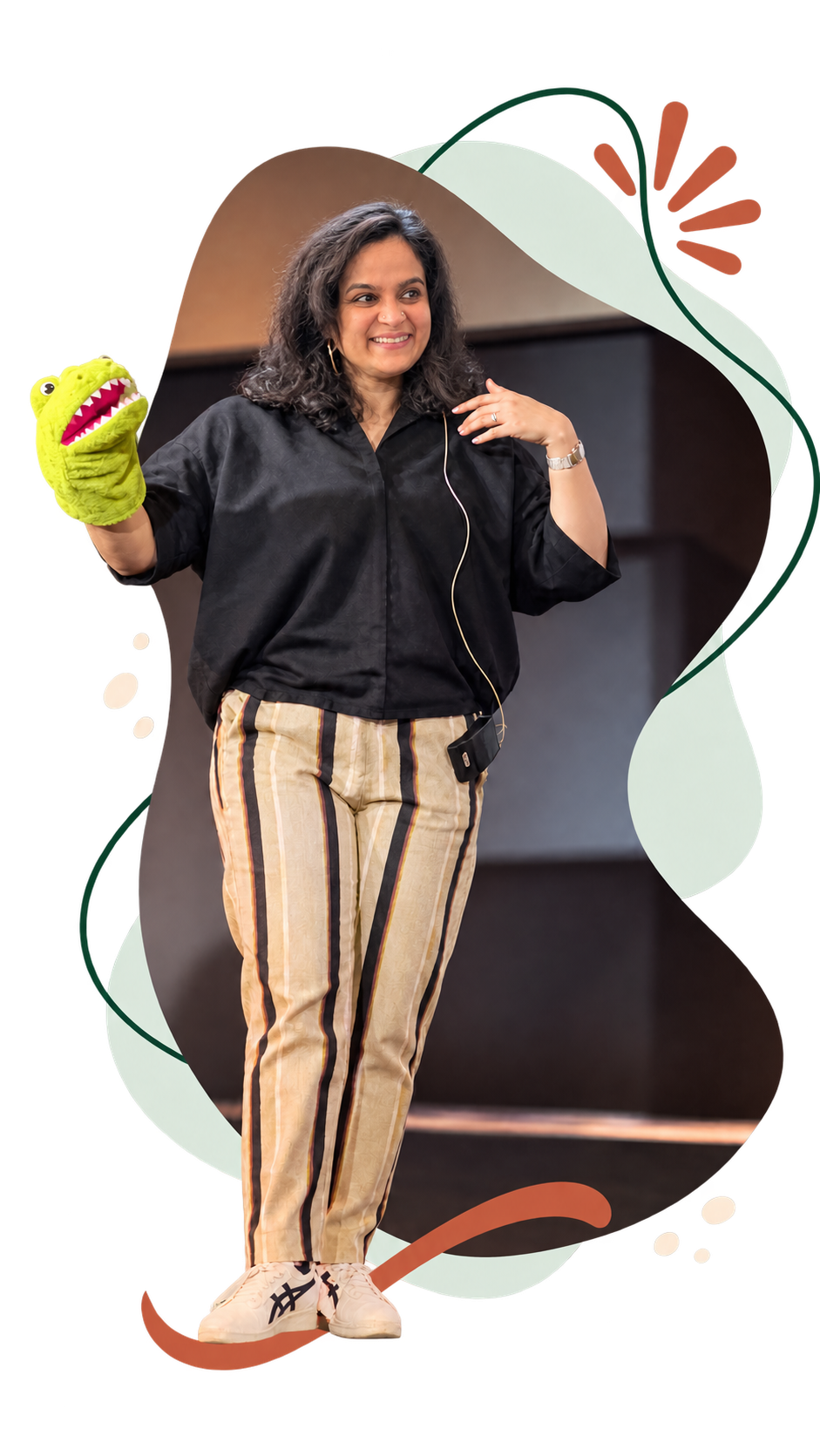
I am Rohini Vij, an early years educator, storyteller, certified Jolly Phonics trainer and Little Learners Love Literacy trained educator. Drawing on over 15 years of experience in early years education and storytelling, I offer practical professional development for early yeards educators and teachers who want to use stories with greater confidence and intention.
Early Years Educator · Certified Jolly Phonics Trainer · Little Learners Love Literacy Trained Educator
Storytelling in your practice
Stories can transform the way we engage a group
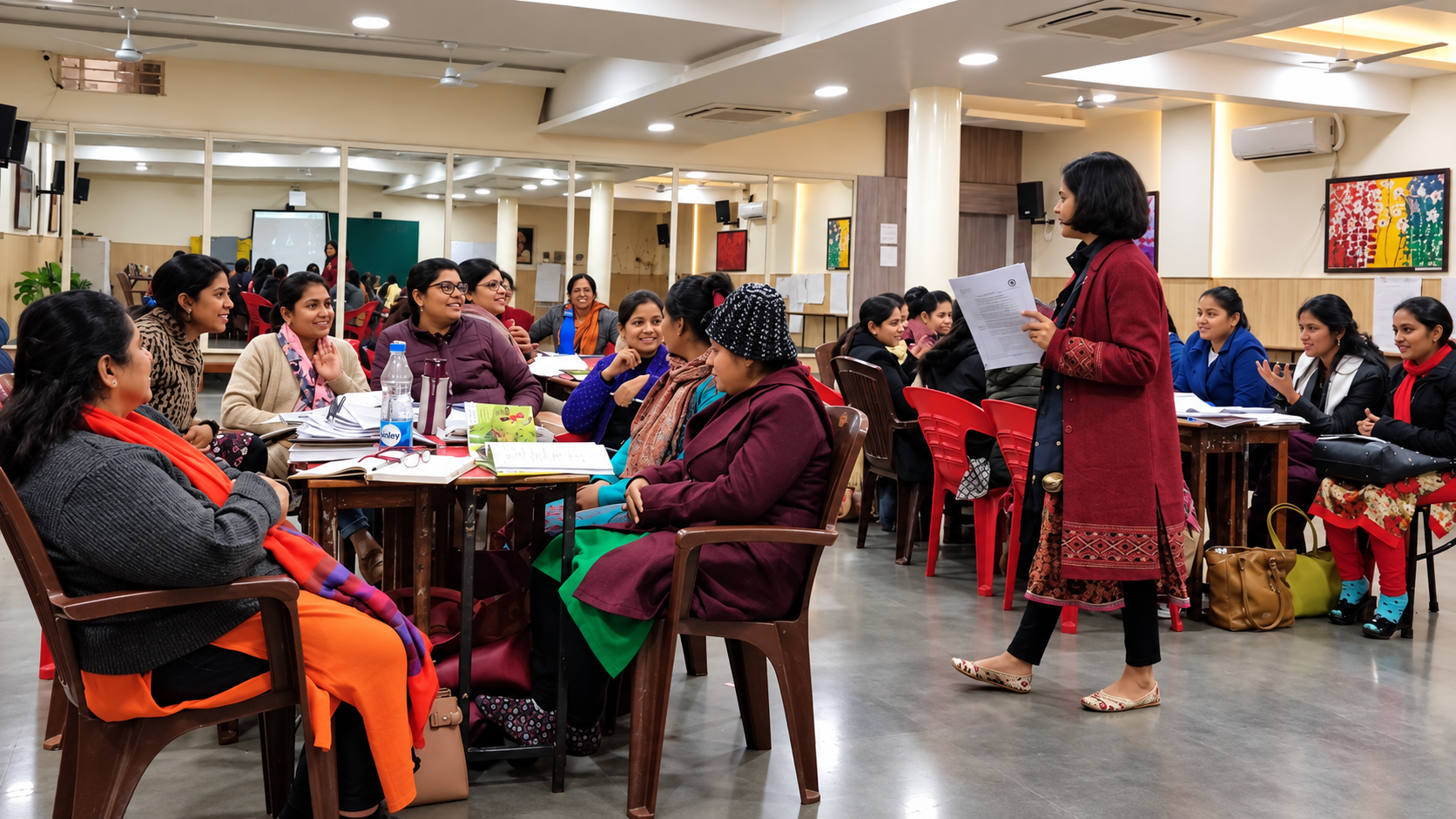
My professional development sessions are designed for educators, librarians, early-years professionals, storytime facilitators and community practitioners who want to use storytelling with greater confidence and intention.
Rather than focusing on performance alone, sessions explore practical techniques that participants can immediately take back into their own classrooms, libraries, and programs.
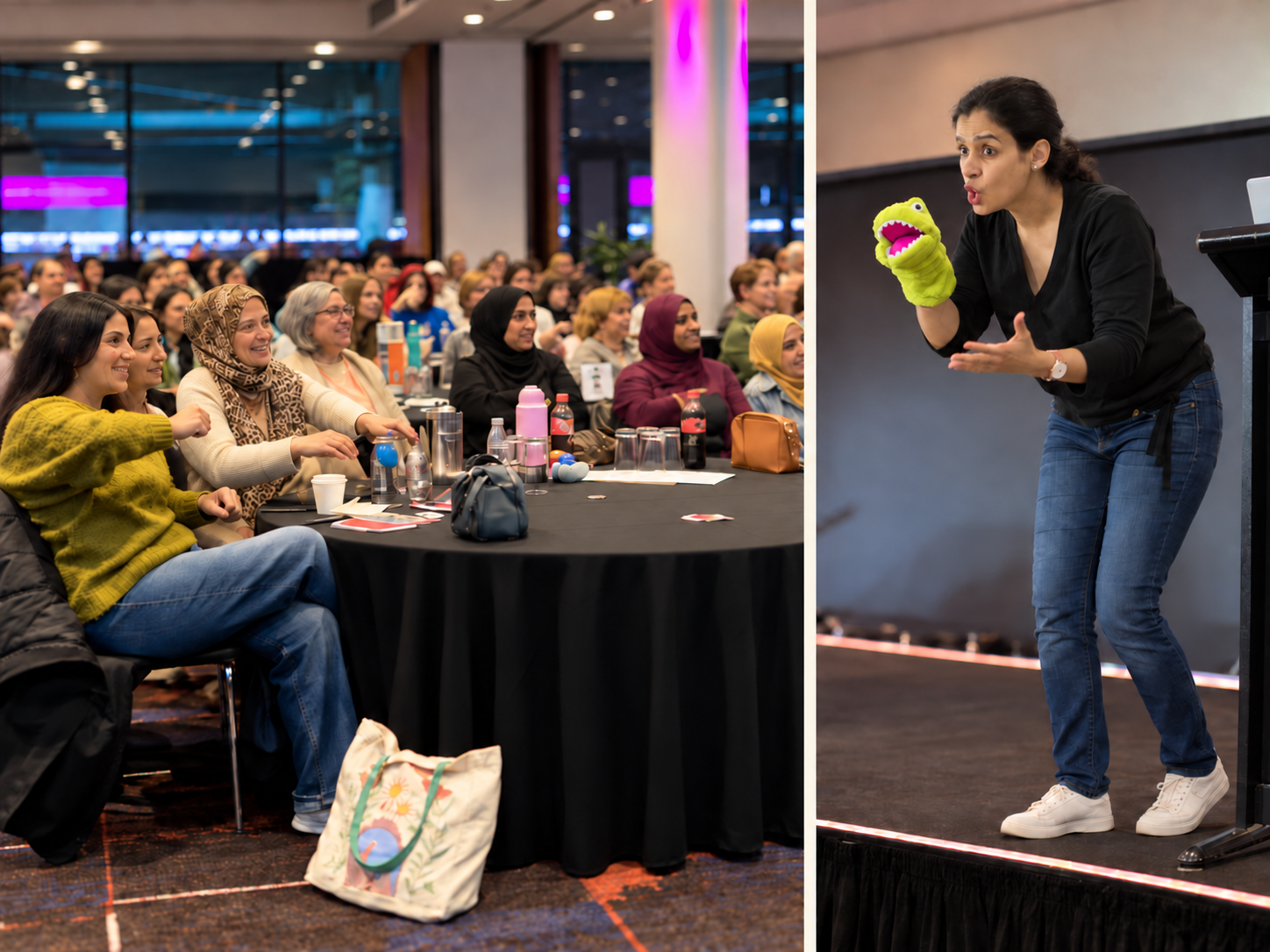
A change in voice, a well-timed pause or an invitation to repeat a phrase can give children a way into a story. Together, we explore how to make these choices thoughtfully, while developing a storytelling style that feels natural to you.
Sessions are participatory and hands-on, with opportunities to try techniques, share observations and consider how they could work with your own group.
01 / For early years teams
Early childhood professional development through storytelling, music & movement
In early childhood settings, a story can become a shared experience that children enter through sounds, repeated words, movement, imagination and conversation.
As an early years educator, I understand the importance of adapting to the children in front of us—their ages, language, interests and readiness to participate. A child might echo a phrase, offer an idea, act out a character or watch before choosing to join in.
My background in Jolly Phonics and Little Learners Love Literacy informs the attention I bring to language and early literacy. Within storytelling training, we explore how to make room for children to listen, speak, notice words and sounds, and express their ideas. We explore music, movement, and beats.
Depending on your team’s needs, sessions can explore:
- Using repetition, rhythm and actions to invite participation
- Bringing expression and interaction into storytelling and read-alouds
- Creating opportunities for children to predict, respond and talk
- Adapting language and pacing for different ages
- Using characters and story situations to explore feelings
- Moving between sharing a book and telling a story orally
The focus is on approaches you can adapt to your own early learning setting and the children you work with.
What more to expect from these trainings?
02 / For classrooms, libraries & community programs
Storytelling training for teachers, librarians and facilitators
The same story can be shared in different ways depending on who is listening, the setting and what you hope to explore. Training helps participants consider these choices and practise techniques relevant to their work.
What to expect from these trainings?
Teachers and school teams
Explore how storytelling can invite classroom discussion, oral language, imagination and thoughtful responses to characters.
Sessions can focus on sharing stories expressively, telling stories in your own words, inviting contributions and adapting your approach for different ages and classroom purposes.
Librarians and storytime facilitators
Explore voice, pacing, rhythm and audience interaction for library storytelling and storytime programs.
Training can consider how to encourage participation, respond to the group and create a shared experience for children and accompanying adults.
Community practitioners and facilitators
Develop practical storytelling skills for community programs, with attention to your audience, setting and purpose.
Sessions can explore sharing stories clearly, inviting contributions and adapting language, expression and participation to suit the group.
Bring storytelling into your program
Plan professional development for your team
Whether you are planning training for an early years team, teachers, library staff or community facilitators, I can help shape a storytelling session around your audience and learning goals.
Share a little about your organisation, group size, preferred timeframe and what you would like to explore.
From workshop to practice
Storytelling skills you can bring into your next session
The aim is to help you use storytelling with greater confidence and intention in the work you already do.
Depending on the agreed training focus, you will have opportunities to:
- Experiment with voice, expression, gesture and character
- Practise inviting participation while keeping the story moving
- Explore telling a story in your own words
- Consider how to adapt a story for a particular age group or setting
- Identify ways stories can support oral language, imagination and conversations about emotions
- Reflect on your approach and choose techniques to try in your next session
There is room to experiment, ask questions and develop ways of sharing stories that feel natural to you.
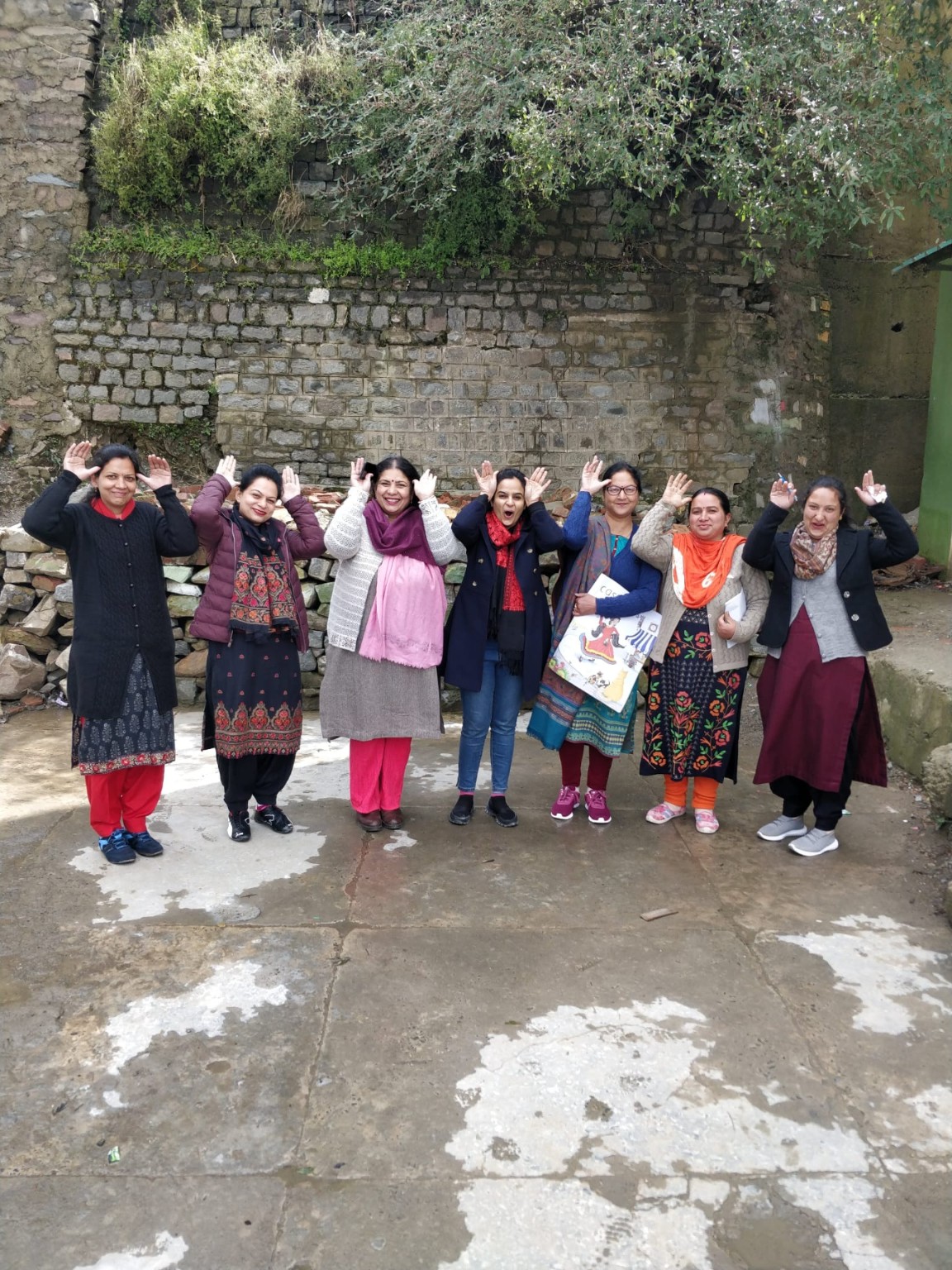
What we can explore
Practical storytelling techniques for educators and facilitators
Training can include the following areas, with the focus shaped around your group’s experience, interests and learning goals.
Voice, expression and character
Explore how changes in tone, pace and expression help listeners follow a story and recognise its characters. Practise making choices that suit the story and feel comfortable in your own voice.
We can explore
- Bringing stories alive through voice and expression
- Developing character voices
Movement, gesture and body language
Consider how posture, facial expression and gestures can communicate character, action and emotion. Explore ways to use movement within a story and invite children to respond through actions of their own.
We can explore
- Using movement, gesture and body language
Engagement and participation
Explore when to tell, when to pause and when to make space for children’s contributions. Use repeated phrases, rhythm, sounds and playful responses to help the group become part of the story.
We can explore
- Keeping children engaged during storytelling
- Knowing when to pause, involve or invite participation
- Using repetition, rhythm and call-and-response
Confidence and oral storytelling
Explore ways to become familiar with a story and share it in your own words. Practise staying connected with your listeners while allowing room for expression, interaction and your own storytelling voice.
We can explore
- Telling stories without relying on a book
- Building confidence as a storyteller
Adapting stories for your audience
Consider how language, pacing, story length and participation can change according to the group. Explore how to make a story accessible while preserving its meaning and character.
We can explore
- Adapting stories for different ages and audiences
Language, imagination and emotional development
Explore opportunities for children to talk, predict, imagine and respond to characters. Consider how stories can open conversations about feelings and experiences while giving children space to express their own ideas.
We can explore
- Using stories to support oral language, imagination and emotional development
Designed around your team
A storytelling workshop or a customised professional development program
Professional development can be offered as a standalone workshop, team training session or customised program built around the needs of your organisation.
Standalone workshop
A focused session exploring selected storytelling techniques and practical ways to use them in your own setting.
Team training session
A shared learning experience for your team, shaped around the children or audiences you work with and the areas you would like to develop together.
Customised program
A program built around your organisation’s needs, with the focus and format planned in conversation with you.
Every group is different. Workshops and training can be adapted according to:
- Participant age and experience
- Group size
- Available time
- Learning goals
- Event or organisational context
- Particular themes or areas of interest
Sessions can range from short introductory workshops to longer, more immersive learning experiences.
Tell me about your team, the setting you work in and what you would like to explore. I can help shape a session that suits your group.
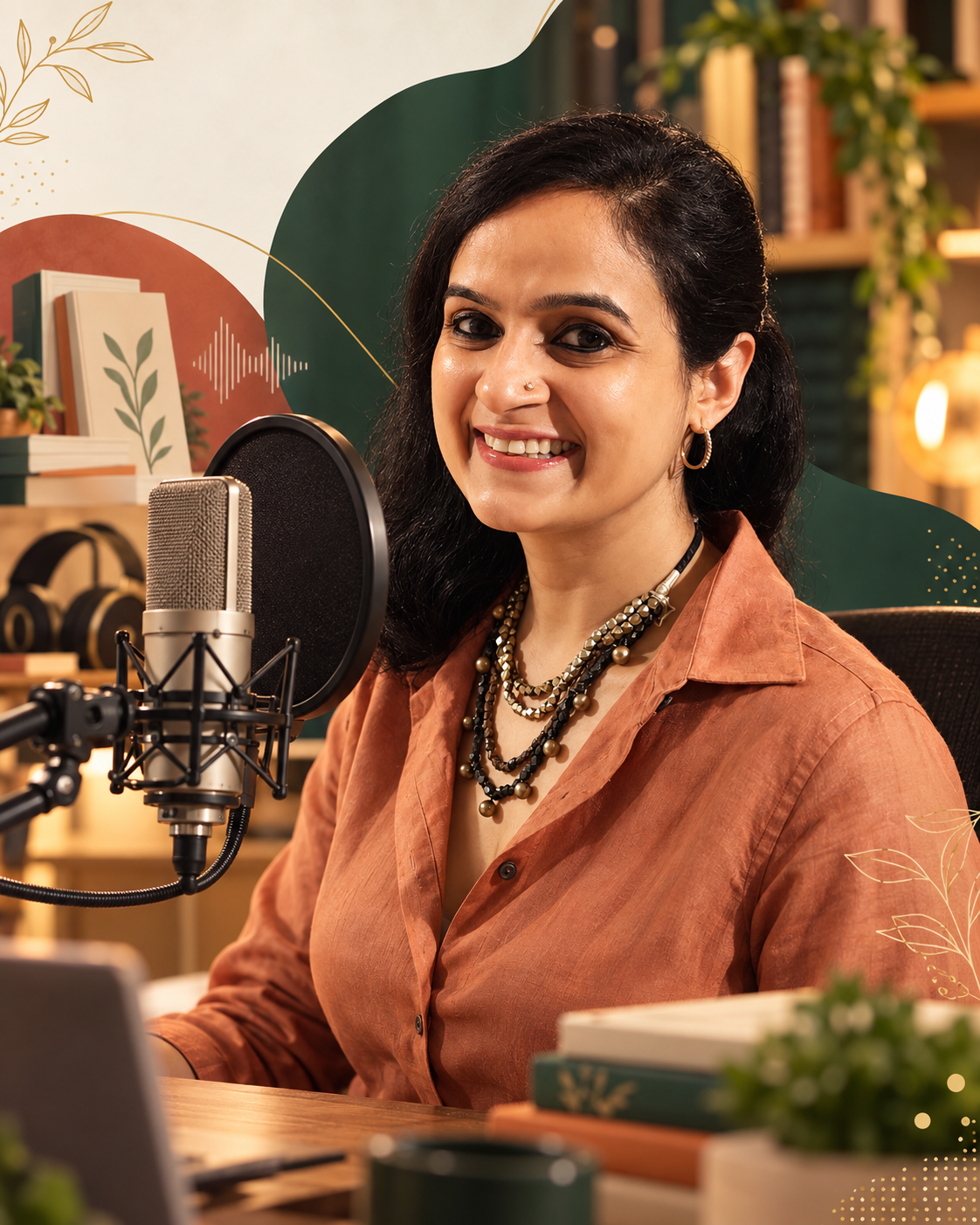
Your facilitator
Learn with Rohini Vij
Hi, I am Rohini Vij, Storyteller, Early Years Educator, Phonics Trainer & a children’s book author.
I bring over 15 years of experience in early years education and storytelling to my workshops. As the founder of NutSpace, I have developed story-led learning experiences that bring together literacy, imagination and life skills.
I am a certified Jolly Phonics trainer and a Little Learners Love Literacy trained educator. My work spans storytelling with children, educator training and community programs, including multicultural storytimes with Space2B and the City of Port Phillip.
These experiences inform a practical approach to professional development, with space for participants to explore techniques and consider how to use them in their own settings.
Before you book
Professional development questions
What does your storytelling professional development cover?
Training can explore voice and expression, movement and gesture, character voices, audience engagement, repetition, rhythm, call-and-response, oral storytelling and adapting stories for different ages. It can also explore how stories support oral language, imagination and emotional development. The focus is agreed around your group’s needs.
Who are these sessions suitable for?
Sessions are designed for early years educators, teachers, librarians, storytime facilitators and community practitioners. They can be adapted for groups with different levels of storytelling experience.
Can you tailor a workshop for our early childhood team?
Yes. Training can be shaped around the ages you work with, your team’s experience, group size, available time and learning goals. You might want to focus on participation, expressive read-alouds, oral storytelling or ways to support children’s language and imagination through stories.
Can you adapt the training for primary school teachers?
Yes. Sessions can focus on storytelling techniques relevant to your classroom, including voice and expression, oral storytelling, discussion, participation and adapting stories for your students.
Do we need previous storytelling or performance experience?
Sessions can be adapted to participants’ experience, including people who are beginning to use storytelling in their work. The emphasis is on practical techniques, participation and developing confidence in your own approach.
Is this a Jolly Phonics or Little Learners Love Literacy course?
This page describes my storytelling professional development. My Jolly Phonics and Little Learners Love Literacy training informs my educational background, while the sessions here focus on storytelling skills and their practical application.
How long is a professional development session?
The duration depends on the training focus, your group’s needs and the time available. Sessions can range from short introductory workshops to longer, more immersive learning experiences. The format and duration are agreed when planning your booking.
Can we book a standalone workshop or a longer program?
Yes. Professional development can be offered as a standalone workshop, a team training session or a customised program built around your organisation’s needs.
How do we enquire about professional development in Melbourne?
Use the contact form and select Professional development. Include your organisation, participant numbers, preferred date or timeframe, available time and the areas you would like the training to cover. I can then help you plan a suitable session.